

How to Serve Oranges to Baby
Oranges for baby? Definitely! Introducing a variety of foods to your baby is so important in their first year, and while orange might not be the first food you try, it’s a great choice to include once they’re ready for new flavors. Great for 6+ months.
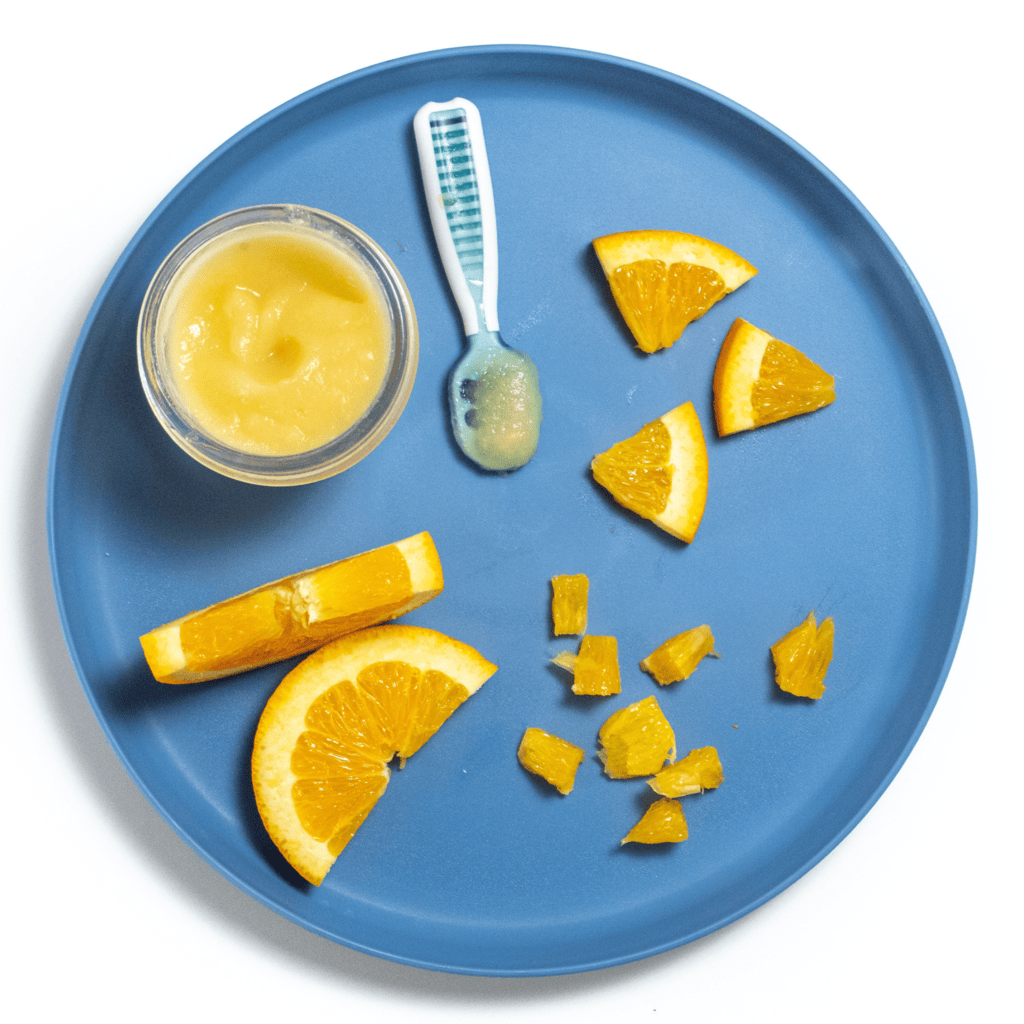
Looking for a slightly less traditional fruit to introduce to your baby? Look no further than oranges!
After you’ve checked off more conventional first foods — apple, sweet potato, and broccoli — oranges make a bright, flavorful addition to your baby’s growing menu.
One of my baby’s favorite ways to enjoy oranges was in a puree made with freshly squeezed orange juice blended with steamed apples. You can also add orange to sweet potato, pear, or mango purees for a naturally sweet citrus twist.
For baby-led weaning, start with a large wedge of orange so your baby can grasp it with their palm and gnaw safely. As their pincer grasp develops, you can offer smaller, chopped pieces for them to pick up independently.
Featured Video
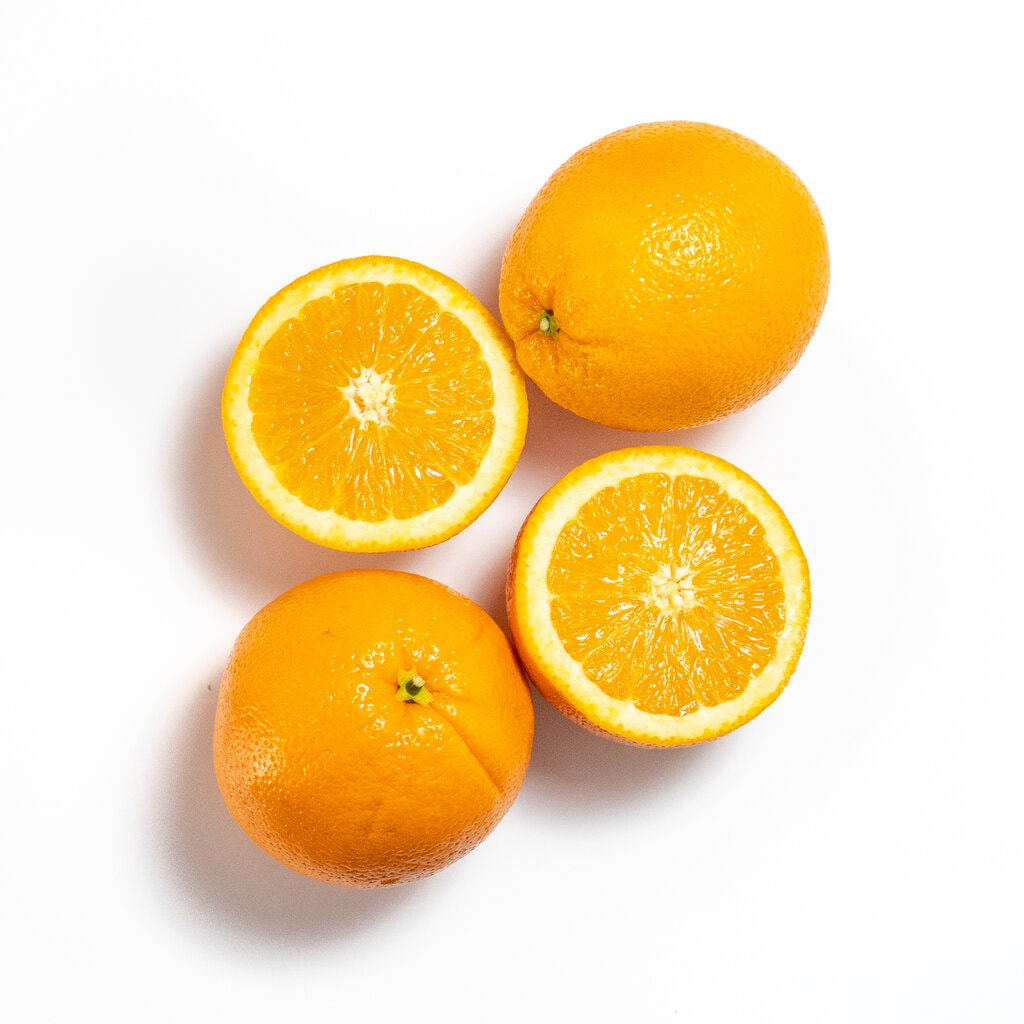
Orange Baby Puree
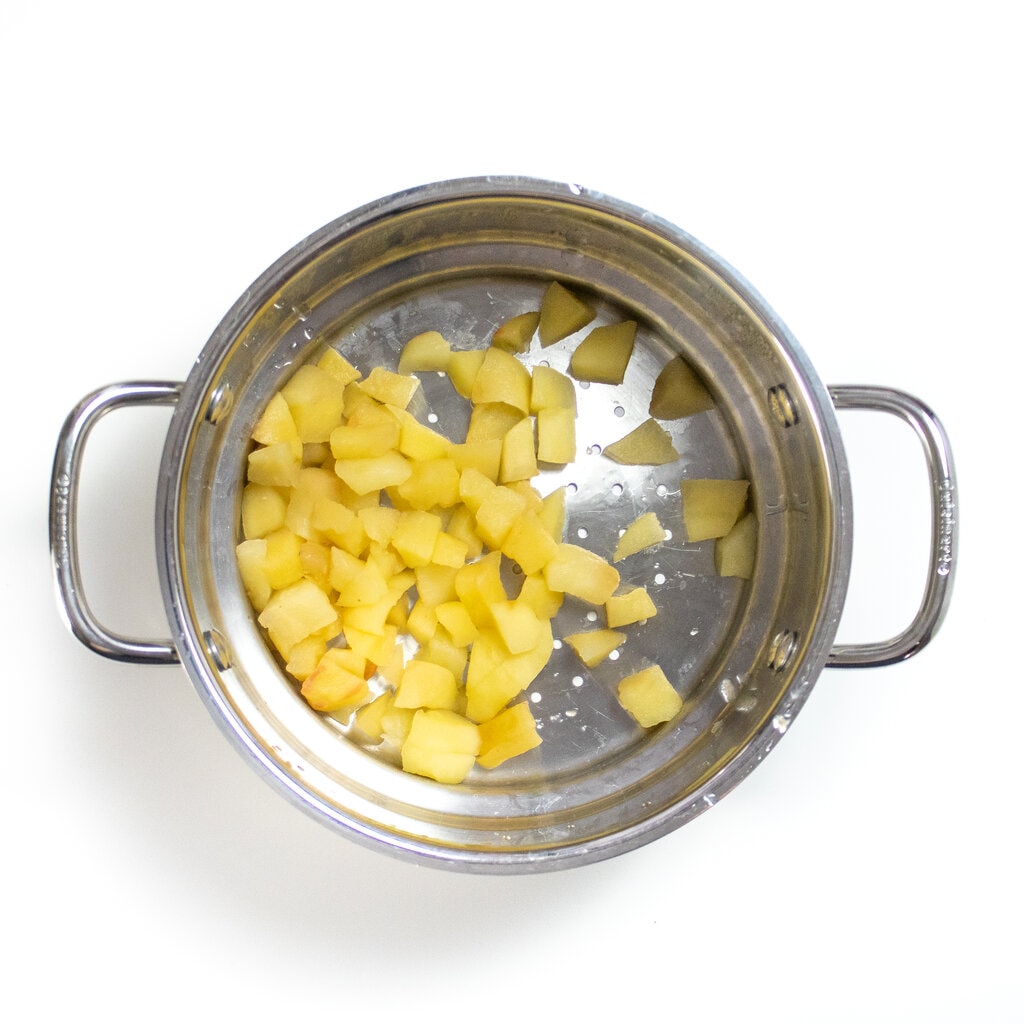
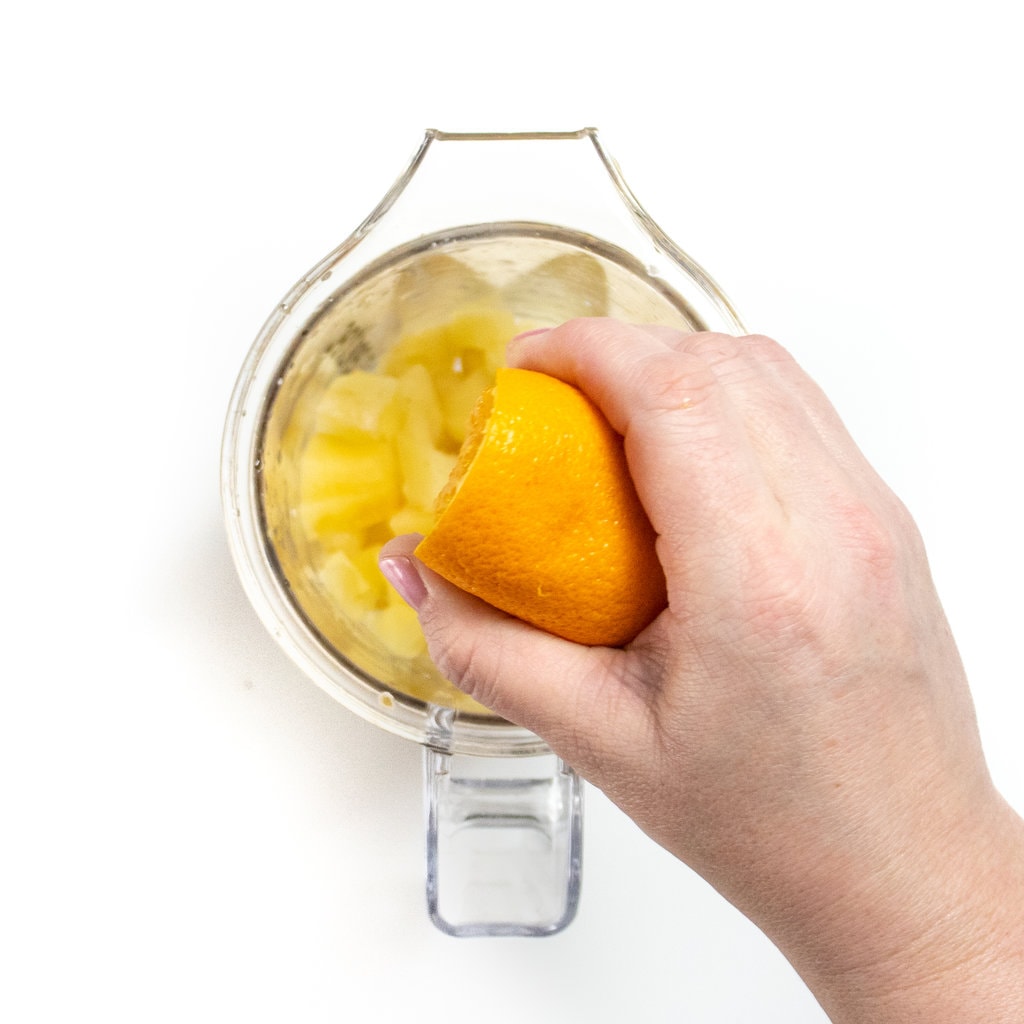
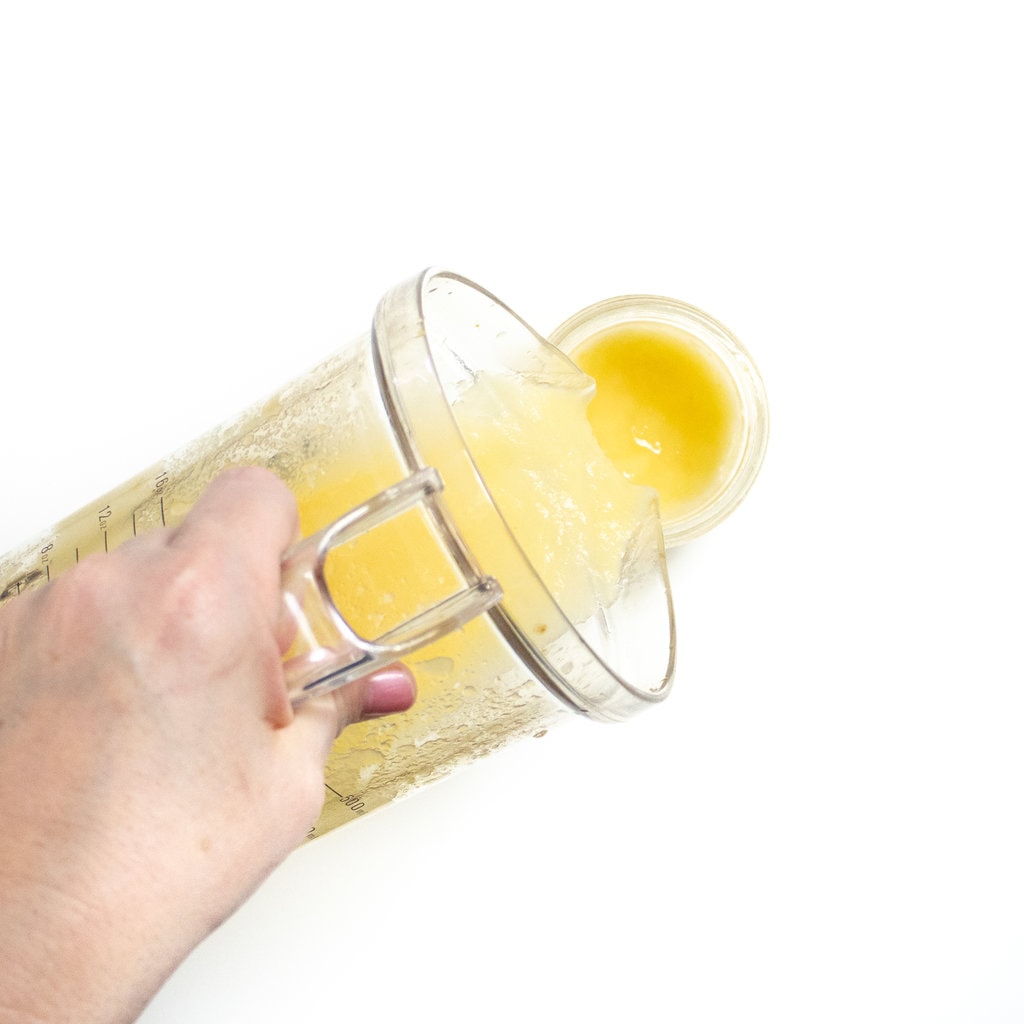
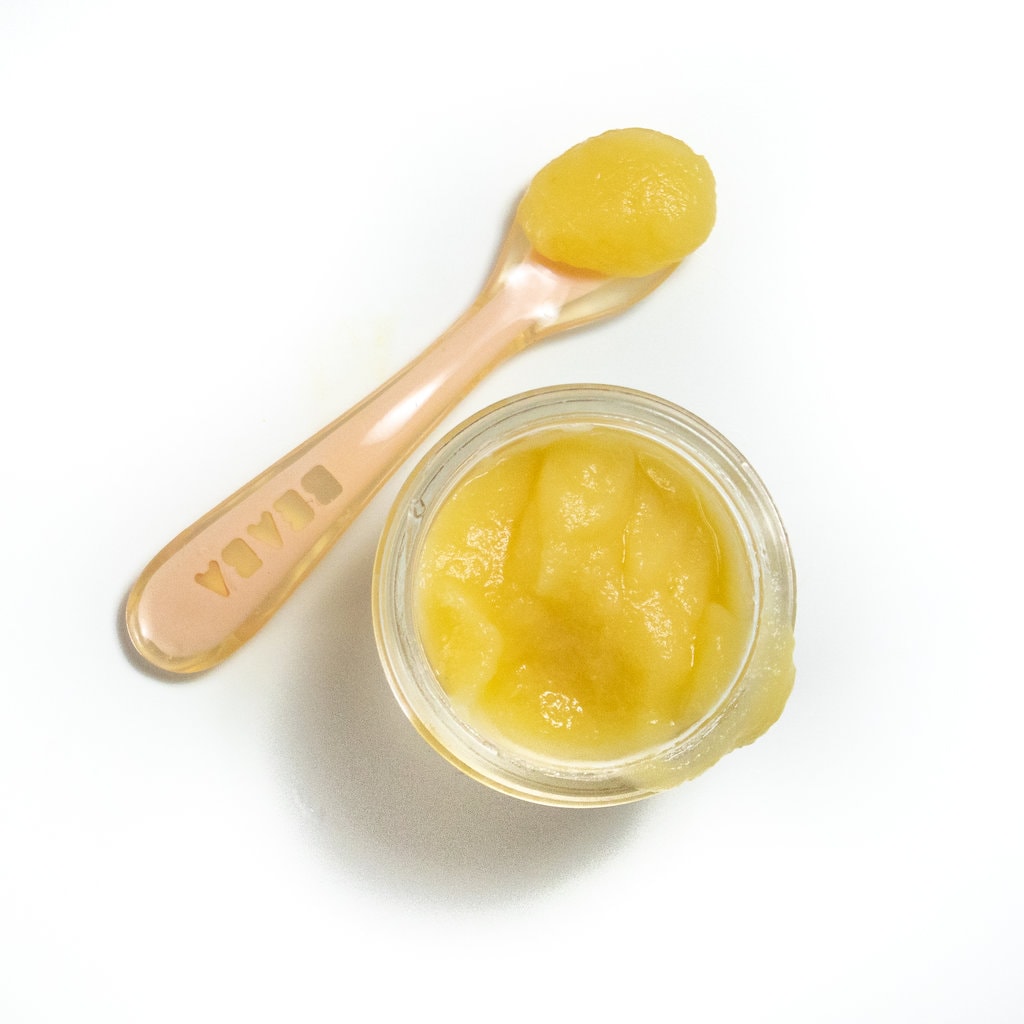
To make a yummy orange baby puree, we love blending steamed apples with a freshly squeezed orange until smooth. You can also add in fresh orange juice or orange chunks to steamed sweet potatoes, broccoli, pears, mangos, or mashed avocado.
Oranges for Baby-Led Weaning
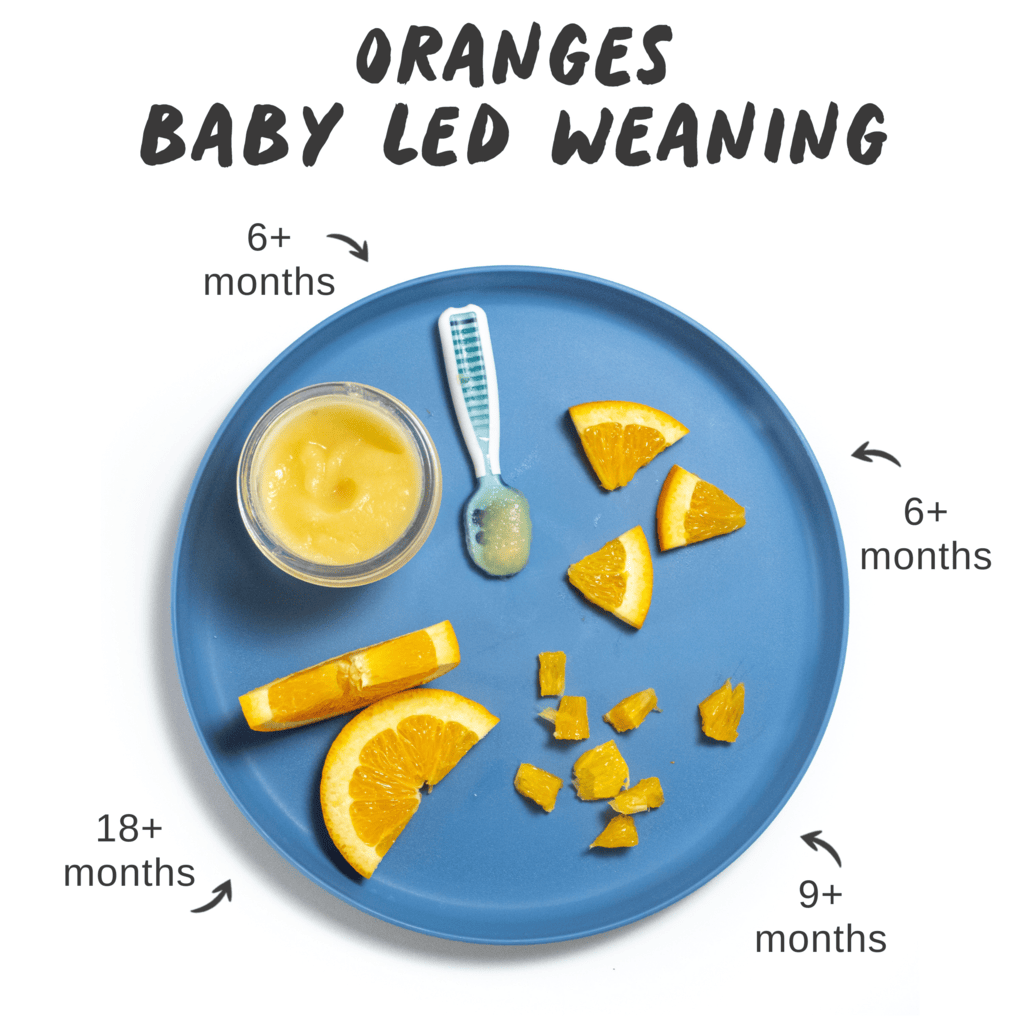
Oranges are a great first food for your baby and an excellent source of vitamin C. Make sure to prepare oranges appropriately for babies and toddlers to minimize choking risks.
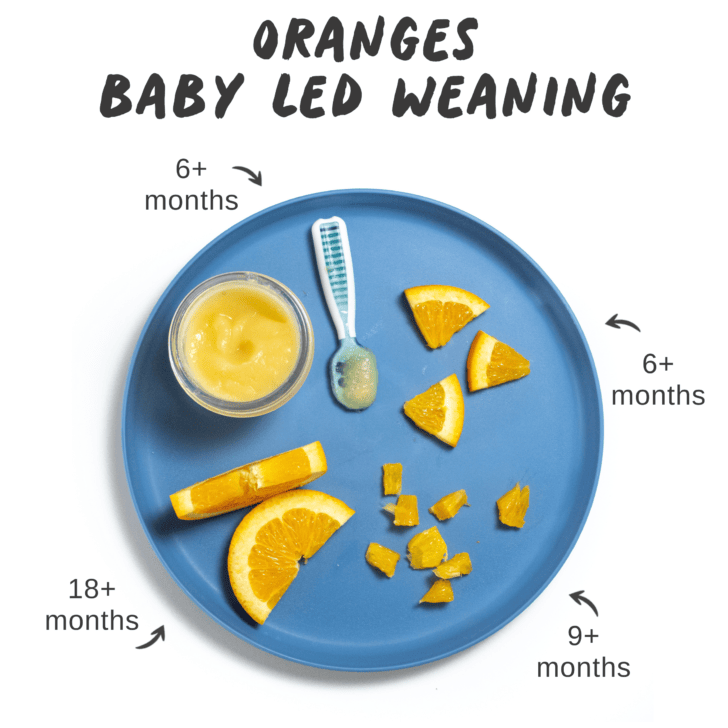
- 6+ months – thin slices or wedges with peel on, membranes removed: Cut oranges into large wedges with the peel on and seeds removed. Your baby can easily grasp these wedges and suck and munch on the fleshy part. You can also supreme an orange by removing the pith and membranes so that you can offer it in slices. Search “how to supreme an orange” on YouTube for a quick tutorial. Another way to serve oranges to your baby is by loading a self-feeding spoon with an Apple Orange Puree and handing it to your baby.
- 9-18 months – small, diced pieces, membranes removed: Serve oranges in bite-sized pieces at this age, with membranes removed, so that your baby can work on using their pincer grasp. You can also continue to serve slices of oranges with the membrane and seeds removed to work on taking bites off larger pieces.
- 18-24+ months – slices or wedges with peel on, membranes on or removed: Depending on your baby’s chewing skills, you can try serving larger pieces of orange with the membranes on, such as an orange cut into roughly 1/8ths. Or you can continue to supreme the fruit and serve oranges in diced pieces or larger wedges with the peel on.
Combination Purees
A squeeze of orange is great paired with so many other basic baby purees. Here are some of our favorite purees to add a splash of orange to:
Expert Feeding Tips
- Make sure to wash your oranges if you plan to serve them cut into wedges with the peel left on.
- If you are going to supreme an orange to cut the membranes away from the fruit, consider doing so with 1-2 whole oranges at a time. This way you can save leftovers in a container in the fridge and serve small amounts as needed for baby’s meals over a few days’ time.
- Search “how to supreme an orange” on YouTube for a quick tutorial. This is easier to do with a large orange, versus small mandarin oranges.
- Although canned oranges are fine, try to offer both canned and fresh oranges in your mealtime rotation. Canned oranges often contain added sugar and are softer, while fresh oranges contain more fiber and a more challenging texture that will promote chewing skills. If buying canned or packaged oranges, look for “no sugar added” or “packed in 100% juice” versus “packed in syrup.”
- Remember to serve citrus fruits, such as oranges, with a high-iron food to help increase absorption.
Get the recipe: Oranges for Baby (puree & baby-led weaning)
Ingredients
Orange Puree with Apple
- 3 large apples, peeled and roughly chopped
- 1/2 orange
Orange for Baby-Led Weaning
- 1/2 orange
Instructions
Orange Puree with Apple
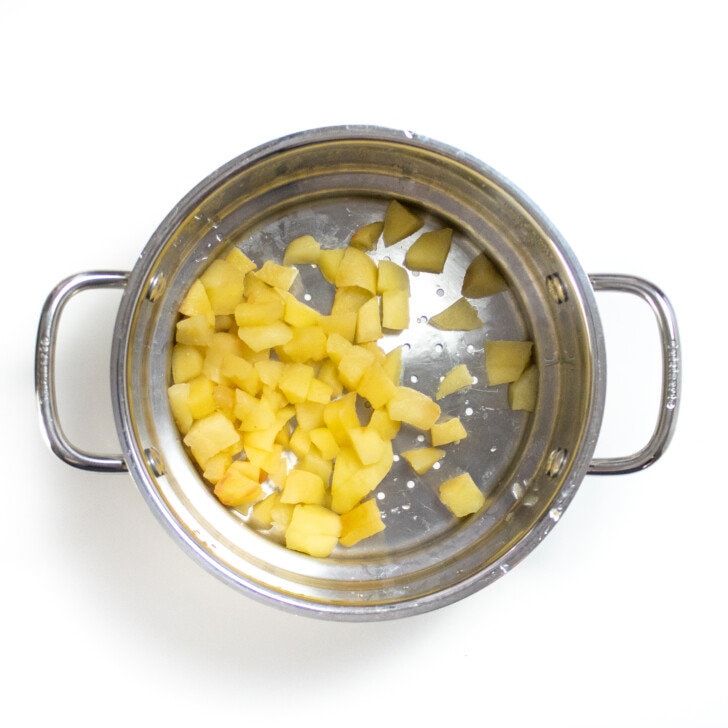
- In a medium saucepan, bring 2" of water to a boil over high heat. Add a steamer basket and add the apples, cover and cook for 10-12 minutes or until tender when pricked with a fork. Remove from heat and let cool slightly. Reserve steamer water.

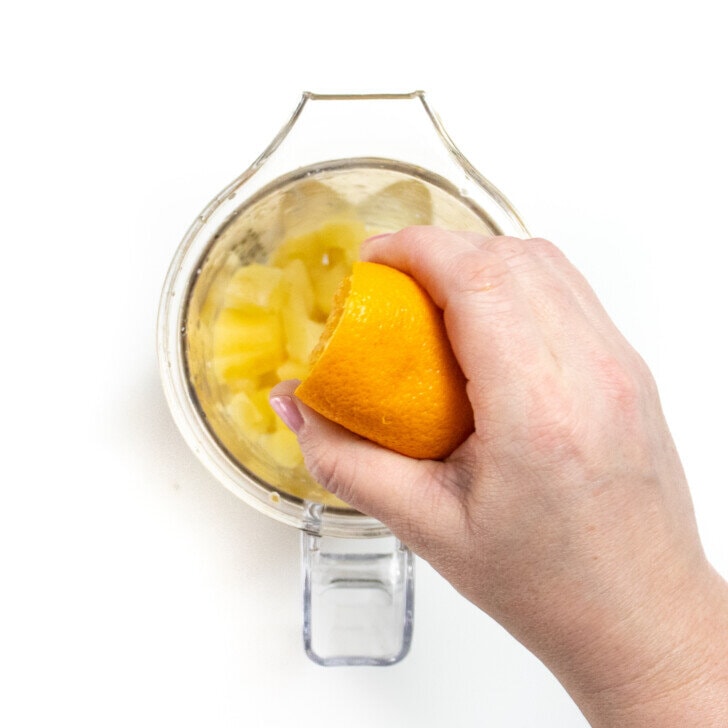
- Add apples to a blender. Then squeeze half an orange (roughly 3 tablespoons) of orange juice into the blender. You can also cut up chunks of the orange (without the peel) and place them in the blender along with the apples, but some of the pulp will remain in the puree, making the puree slightly chunky.
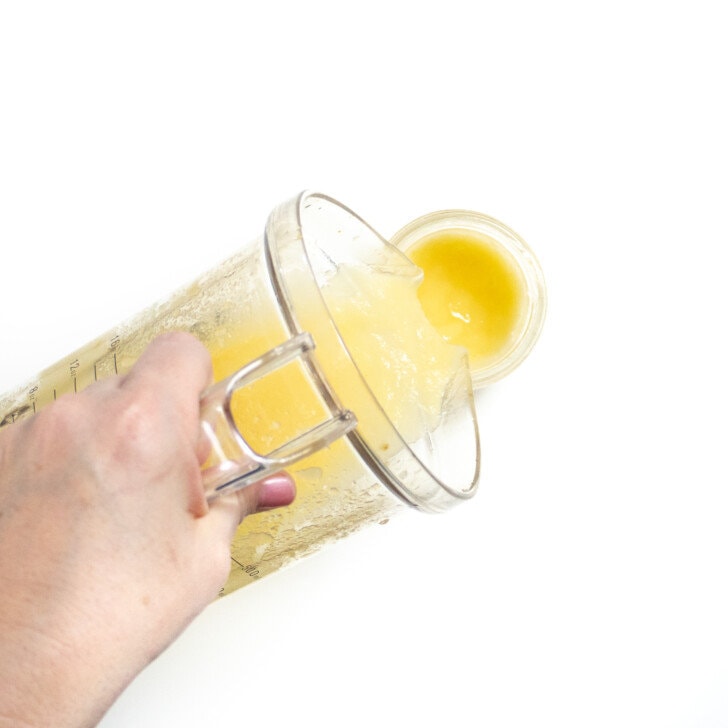
- Puree on medium-high for 60-90 seconds or until completely smooth. You may have to add 2-4 tbsp of reserved water to your puree.
Orange for Baby-Led Weaning
- Cut orange and serve to your baby's age and eating abilities. 6+ months – thin slices or wedges with peel on, membranes removed: Cut oranges into large wedges with the peel on and seeds removed. Your baby can easily grasp these wedges and suck and munch on the fleshy part. You can also supreme an orange by removing the pith and membranes so that you can offer it in slices. Search "how to supreme an orange" on YouTube for a quick tutorial. Another way to serve oranges to your baby is by loading a self-feeding spoon with an Apple Orange Puree and handing it to your baby. 9-18 months – small, diced pieces, membranes removed: Serve oranges in bite-sized pieces at this age, with membranes removed, so that your baby can work on using their pincer grasp. You can also continue to serve slices of oranges with the membrane and seeds removed to work on taking bites off larger pieces. 18-24+ months – slices or wedges with peel on, membranes on or removed: Depending on your baby's chewing skills, you can try serving larger pieces of orange with the membranes on, such as an orange cut into roughly 1/8ths. Or you can continue to supreme the fruit and serve oranges in diced pieces or larger wedges with the peel on.
Notes
Did you make this recipe?
Tag @babyfoode on Instagram and hashtag it #babyfoode!
Medically reviewed and cowritten by Jamie Johnson, Registered Dietitian Nutritionist (RDN), and Lauren Braaten, Pediatric Occupational Therapist (OT).